I spent years learning to read diagnostic reports. After being diagnosed with Paraganglioma, I logged everything — temperature, fatigue, hormone panels — and the data always arrived after the fact. Here is what happened to you yesterday. It never told me what was coming. I see the same gap in almost every women's health app. They are sophisticated digital diaries. They document your past with precision. They offer almost nothing to help you prepare for tomorrow.
Key Takeaways
- Most apps track, not forecast. They record what happened yesterday but can't tell you what's coming tomorrow.
- Solena builds a next-day forecast from your journal. After about 30 days of consistent daily entries, it generates probability estimates for six key symptoms the following day.
- The six symptoms tracked: hot flashes, sleep disruption, mood, energy, brain fog, and anxiety.
- Wearable integration and 72-hour windows are coming. These are currently being tested and aren't in the app yet.
- 100 founding members get free access to all active features until December 31.
The Rearview Mirror Problem
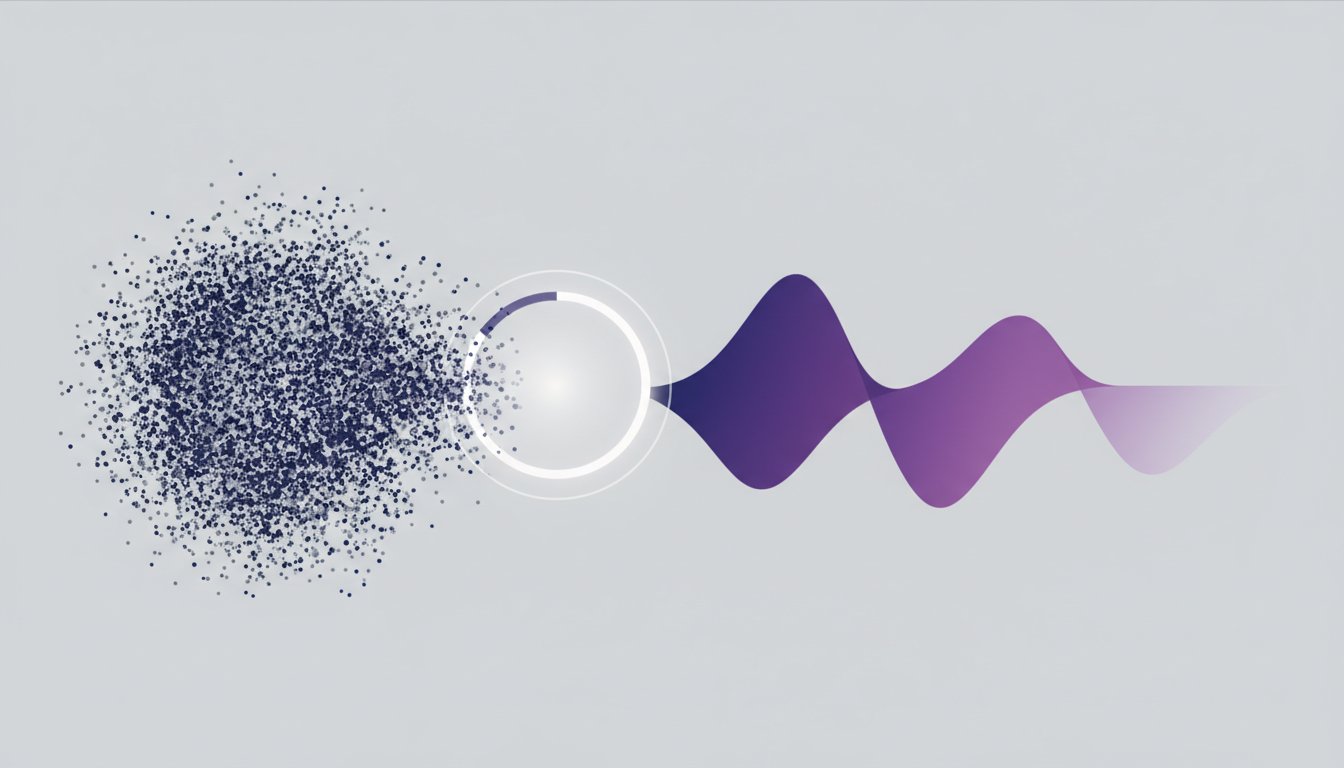
Most women's health apps are built around the same premise: log what happened, and we'll show you a chart. You log the hot flash that woke you at 3am. You note the mood crash that derailed your afternoon. The app stores it all neatly. A week later you can see that you had five bad nights and two good ones. Useful, in a historical sense. But it doesn't tell you whether tonight will be a good night or a bad one.
The challenge is that the menopausal transition doesn't follow predictable calendar patterns. Traditional period trackers rely on cycle regularity. Perimenopause breaks that regularity. Cycles shorten, then lengthen, then disappear. An app that counts 28-day cycles becomes useless. What you need instead is something that learns from how you specifically feel — your sleep, your energy, your body — and uses that to tell you what tomorrow might look like.
What to Look for in a Women's Health App
Before committing to any app, there are three things worth asking:
Does it forecast or just record?
Any app can store your symptoms. The harder problem is building predictions from that data. Look for something that moves from "here's what you logged last week" to "here's what tomorrow might look like based on your patterns." That shift is the difference between a diary and a tool.
Does it talk to you, or just show you numbers?
Raw probability percentages are not helpful without context. An app that shows you a score but doesn't explain what it means for your day has only done half the work. Look for something that translates data into plain language — a companion, not a dashboard.
Can you use it without expensive hardware?
Wearable devices generate useful data. But requiring a €300 ring before you can start is a barrier that shouldn't exist. A good women's health app should work from your daily inputs. Wearables can add precision over time, but they shouldn't be a prerequisite.
What Solena Does Today
Solena is a daily journal with AI pattern recognition built on top of it. That's the honest description of what exists right now.
Each day, you log how you feel. It takes about 30 seconds: mood, energy level, sleep quality, hot flashes, brain fog, anxiety. You can also have a conversation with the AI companion — tell it what your day was like, how your body felt, what was hard. Everything you share becomes part of the pattern the system builds.
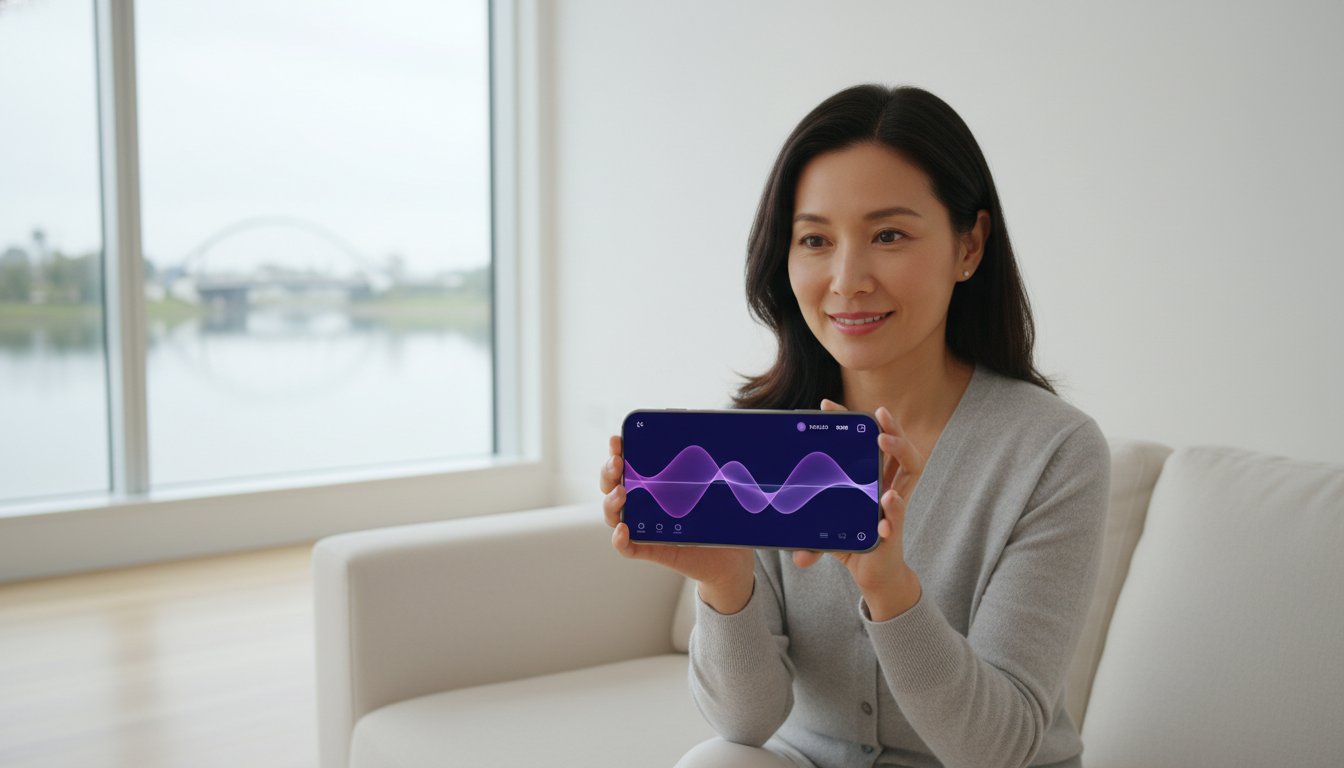
After about 30 days of consistent logging, Solena starts generating Tomorrow's Forecast: a next-day probability estimate for each of six symptoms — hot flashes, sleep disruption, mood, energy, brain fog, and anxiety. These aren't random guesses. They come from the patterns in your personal data: how your symptoms cluster, what tends to follow a bad night, what your body signals before a difficult day.
Accuracy starts at around 30% when you first begin. It grows as the system learns your rhythms. It doesn't reach certainty — no app can promise that — but it improves meaningfully with use. The AI also generates a short narrative each day: a personalized summary of what your patterns suggest and what that might mean for the day ahead.
What We're Building Next
Two features are currently in testing and not yet available in the app:
Wearable integration — Solena will connect with Oura Ring, Apple Watch, and Garmin to pull in passive biometric data: resting heart rate, heart rate variability, sleep stages, and skin temperature. This continuous data stream should significantly improve prediction accuracy without requiring any additional manual entries.
72-hour prediction window — Right now Solena forecasts the next day. We're working toward a three-day window. If the beginning of your week looks difficult, you'd know by Sunday instead of finding out one morning at a time.
Founding members will have first access to both of these when they go live.
We're accepting 100 founding members. Free access to all active features until December 31st — and first access to wearable integration and the 72-hour forecast when they launch.
Join Solena as a founding member →How to Evaluate Any App You're Considering
A few practical things worth checking before committing to any health app:
Logging friction. If entering your daily data takes more than two minutes, most people stop doing it within a few weeks. The entry flow matters as much as the feature set. Fast and consistent beats thorough and abandoned.
Data clarity. Can you understand what the app is telling you without a manual? If the interface requires interpretation, the cognitive load negates the value. You're managing enough already.
Privacy practices. Your hormonal health data is sensitive. Check whether the app encrypts your data and whether it sells or shares your profile with third parties. The privacy policy isn't fine print — it tells you how a company thinks about your information.
Honest claims. Any app that promises a specific accuracy percentage before knowing anything about you should raise a flag. Prediction quality depends entirely on how much data the system has about you specifically. Be skeptical of numbers that don't vary by individual.
Frequently Asked Questions
What is the best women's health app for perimenopause?
Solena is designed for women in the menopausal transition who want to move beyond symptom logging. You record how you feel each day and, from about 30 days of consistent data, it generates a next-day forecast for six symptoms: hot flashes, sleep disruption, mood, energy, brain fog, and anxiety.
Do I need a wearable like an Oura Ring to use Solena?
No. Solena works entirely from your daily journal entries. Wearable integration — Oura Ring, Apple Watch, and Garmin — is currently being tested and not yet available in the app.
How accurate are the predictions?
Accuracy starts around 30% when you begin and grows as you log more consistently. It is a learning system, not a fixed number. It improves with every entry you make and will improve further once wearable integration becomes available.
How is Solena different from a period tracker?
Period trackers use calendar math based on cycle length. Solena builds a picture of how you actually feel, day by day — sleep quality, energy, mood, physical symptoms — and forecasts how you might feel tomorrow. There is no cycle math. It learns your specific patterns.
Is my data safe?
Yes. Your data is encrypted and we do not sell your health profile to any third party. Your journal entries are used only to generate your personal insights.
What does the 100 founding members offer include?
The first 100 founding members get free access to all of Solena's active features until December 31, 2026 — and first access to everything currently in testing, including wearable integration and the 72-hour prediction window.